Critical Software Vulnerabilities: January 2025 Urgent Patches for US Orgs
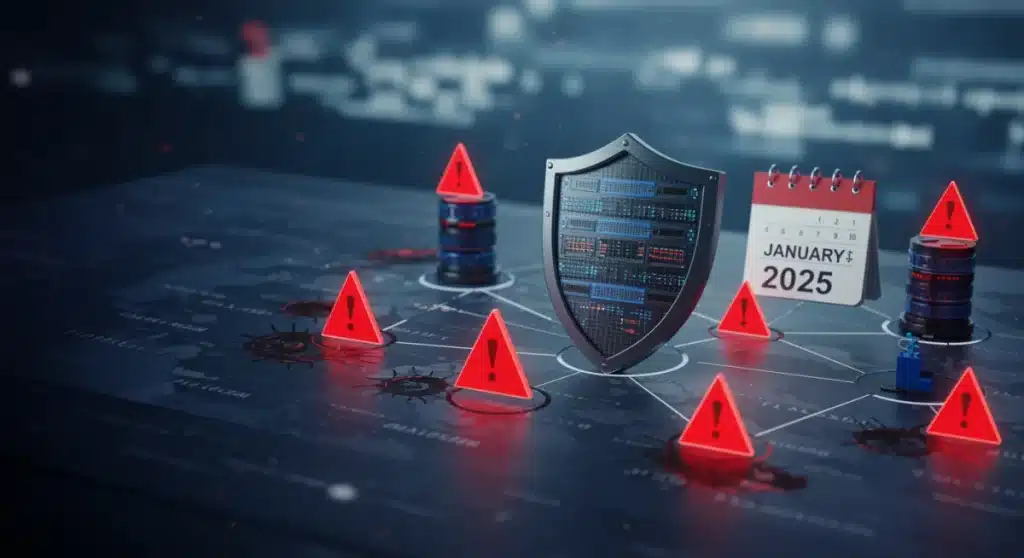
The January 2025 report on critical software vulnerabilities highlights the immediate need for US organizations to implement urgent patches to counter emerging cyber threats and ensure robust digital security.
In the evolving landscape of digital threats, staying informed is not just a best practice, but a necessity for survival. This January 2025 report on critical software vulnerabilities outlines the most pressing security concerns demanding urgent patches for US organizations. Understanding these risks and acting decisively is paramount to safeguarding sensitive data and maintaining operational integrity in an increasingly interconnected world.
The Escalating Threat Landscape in Early 2025
As we navigate early 2025, the cyber threat landscape continues its rapid evolution, presenting unprecedented challenges for US organizations. Attackers are becoming more sophisticated, leveraging advanced techniques and zero-day exploits with alarming frequency. This section delves into the macro trends shaping these threats, emphasizing why proactive defense, particularly through timely patching, is non-negotiable.
The convergence of artificial intelligence in attack vectors, supply chain exploitation, and the proliferation of interconnected devices has created a fertile ground for malicious actors. Organizations face a constant barrage of threats, from ransomware campaigns targeting critical infrastructure to espionage attempts aimed at intellectual property. The sheer volume and complexity of these attacks necessitate a robust and adaptive security posture.
Emerging Attack Vectors
New methods of attack are constantly surfacing, making traditional perimeter defenses less effective. Understanding these vectors is the first step in effective mitigation.
- AI-Powered Phishing: Highly personalized and convincing phishing attempts generated by AI models.
- Supply Chain Compromises: Exploiting vulnerabilities in third-party software or services to gain access to target organizations.
- IoT Device Exploits: Targeting insecure internet of things (IoT) devices as entry points into corporate networks.
- Advanced Persistent Threats (APTs): Long-term, sophisticated attacks designed to remain undetected for extended periods.
These emerging vectors underscore the criticality of a multi-layered security approach, where vulnerability management and rapid patching play a central role. Ignoring these trends can lead to severe data breaches, financial losses, and significant reputational damage. Organizations must invest in continuous monitoring and threat intelligence to stay ahead.
In conclusion, the early 2025 threat landscape is characterized by its dynamism and the increasing sophistication of adversaries. US organizations must recognize the urgency of these threats and prioritize comprehensive security measures, with a particular focus on diligent patch management to fortify their defenses against evolving attack vectors.
Top Critical Vulnerabilities Identified in January 2025
January 2025 has brought with it a fresh wave of critical software vulnerabilities that demand immediate attention from US organizations. This section provides a detailed overview of the most severe flaws discovered, highlighting their potential impact and the systems they affect. Understanding these specific vulnerabilities is crucial for targeted and effective remediation efforts.
The vulnerabilities span a range of software types, from operating systems and web browsers to enterprise applications and network hardware. Exploitation of these flaws could lead to unauthorized access, data exfiltration, system compromise, and denial-of-service attacks. The common thread among them is their high severity score and the ease with which they can be exploited by skilled attackers.
Operating System Weaknesses
Several major operating systems, including Windows Server and specific Linux distributions, reported critical flaws this month.
- CVE-2025-XXXX (Windows Server): Remote Code Execution (RCE) vulnerability in a core networking component, allowing unauthenticated attackers to execute arbitrary code.
- CVE-2025-YYYY (Linux Kernel): Privilege escalation flaw affecting multiple distributions, enabling local attackers to gain root access.
- CVE-2025-ZZZZ (macOS): Memory corruption bug in a graphic driver, potentially leading to system instability or arbitrary code execution.
These OS-level vulnerabilities are particularly concerning due to their pervasive nature and the foundational role operating systems play in nearly all digital operations. A compromise at this level can have cascading effects across an entire network infrastructure.
Beyond operating systems, critical vulnerabilities were also found in widely used enterprise applications and network devices. These include flaws in popular database management systems, unpatched web server software, and vulnerabilities in specific firewall and router firmware. Each of these represents a significant risk, capable of undermining an organization’s security posture if left unaddressed. The proactive identification and patching of these vulnerabilities are paramount to maintaining a secure operational environment.
In summary, January 2025 has seen the disclosure of several highly critical vulnerabilities across various software and hardware components. Organizations must prioritize the assessment and remediation of these specific flaws to mitigate significant risks to their data and systems.
The Urgency of Patching: Why Immediate Action is Required
The call for urgent patches is not merely a recommendation; it’s a critical imperative for US organizations in January 2025. The window between vulnerability disclosure and active exploitation by cybercriminals is shrinking dramatically. This section explores the compelling reasons why delaying patch implementation can lead to catastrophic consequences and emphasizes the need for an agile and responsive patch management strategy.
Every hour a critical vulnerability remains unpatched, the risk of a successful cyberattack escalates. Attackers are constantly scanning for known flaws, and once a vulnerability is publicly disclosed, it becomes a prime target. The speed at which threat actors weaponize new vulnerabilities means that organizations have very little time to react before becoming a victim.
Consequences of Delayed Patching
Failing to apply patches promptly can result in a cascade of negative outcomes, impacting not just security but also business continuity and reputation.
- Data Breaches: Unauthorized access to sensitive customer, employee, or proprietary information.
- Ransomware Attacks: Encrypting critical systems and demanding payment, leading to operational downtime and financial loss.
- Compliance Violations: Failure to meet regulatory requirements (e.g., HIPAA, GDPR, CCPA), resulting in hefty fines.
- Reputational Damage: Loss of customer trust and market standing due to security incidents.
The financial and operational costs associated with these consequences far outweigh the resources required for timely patching. Furthermore, a compromised system can serve as a launchpad for further attacks, potentially affecting business partners and customers, thereby expanding the scope of the incident significantly.
Immediate action is also critical because many vulnerabilities can be chained together by attackers to achieve more significant impacts. A seemingly minor flaw, when combined with another, could open a backdoor for complete system takeover. Therefore, a comprehensive and rapid patching strategy is essential to break these potential attack chains before they can be leveraged. The proactive approach to patch management not only secures systems but also protects the organization’s overall resilience against sophisticated cyber threats.
In conclusion, the urgency of patching in January 2025 cannot be overstated. US organizations must adopt a “patch now” mentality to avoid the severe consequences associated with delayed remediation, ensuring their digital assets remain secure against the relentless tide of cyberattacks.
Strategic Approaches to Patch Management for US Organizations
Given the persistent threat of critical software vulnerabilities, US organizations must adopt strategic and robust approaches to patch management. This involves more than just applying updates; it requires a holistic framework that integrates identification, assessment, deployment, and verification into a continuous cycle. This section outlines key strategies to build an effective patch management program.
An effective patch management strategy begins with clear policies and designated responsibilities. It’s not a one-time event but an ongoing process that demands consistent attention and resources. Organizations need to move beyond reactive patching and embrace a proactive stance, anticipating potential vulnerabilities and preparing for their remediation.
Key Pillars of an Effective Patching Strategy
A successful patch management program relies on several foundational elements working in concert to minimize risk.
- Automated Vulnerability Scanning: Regularly scan all assets for known vulnerabilities and misconfigurations.
- Prioritization Framework: Categorize vulnerabilities based on severity, exploitability, and potential impact to prioritize patching efforts.
- Testing and Staging Environments: Implement patches in a controlled environment before widespread deployment to prevent unintended disruptions.
- Centralized Patch Deployment: Utilize tools for efficient and consistent deployment of patches across the entire IT infrastructure.
- Continuous Monitoring and Verification: After patching, monitor systems to ensure stability and verify that vulnerabilities have been successfully remediated.
Furthermore, organizations should consider implementing a robust change management process to accompany their patching strategy. This ensures that all changes are documented, approved, and communicated effectively, reducing the risk of introducing new issues. Employee training on security awareness, particularly regarding identifying and reporting suspicious activities, also complements technical patching efforts by addressing the human element of cybersecurity.
The integration of threat intelligence feeds into the patch management process can significantly enhance an organization’s ability to respond to emerging threats. By understanding the latest attack trends and vulnerability disclosures, security teams can prepare for and prioritize patches that address the most active and dangerous exploits. This proactive intelligence gathering transforms patch management from a reactive task into a strategic defense mechanism.
In conclusion, strategic patch management for US organizations requires a comprehensive, automated, and continuously monitored approach. By integrating vulnerability scanning, prioritization, testing, and verification, organizations can build a resilient defense against the ever-present threat of critical software vulnerabilities.
Beyond Patches: Holistic Security Measures for 2025
While urgent software patches are indispensable, a truly resilient security posture for US organizations in 2025 extends far beyond merely applying updates. A holistic approach integrates multiple layers of defense, recognizing that no single solution can provide complete protection. This section explores complementary security measures that, when combined with robust patch management, create a formidable defense against modern cyber threats.
Cybersecurity is an ecosystem, not a collection of isolated tools. Organizations must view their security infrastructure as an interconnected web where each component reinforces others. This comprehensive perspective is vital for addressing the diverse and evolving nature of cyberattacks, which often exploit weaknesses across various vectors.
Essential Complementary Security Controls
To build a truly robust defense, organizations must implement a range of controls that mitigate risks at different stages of an attack.
- Endpoint Detection and Response (EDR): Advanced solutions to detect and respond to threats on individual devices.
- Security Information and Event Management (SIEM): Centralized logging and analysis of security alerts to identify patterns and anomalies.
- Network Segmentation: Dividing networks into smaller, isolated segments to limit the spread of breaches.
- Zero Trust Architecture: Verifying every user and device attempting to access resources, regardless of their location.
- Regular Security Audits and Penetration Testing: Proactively identify weaknesses in systems and applications before attackers do.
Furthermore, strong identity and access management (IAM) practices are crucial. Implementing multi-factor authentication (MFA) for all users and enforcing the principle of least privilege ensures that even if credentials are compromised, unauthorized access is minimized. Regular employee security awareness training also plays a pivotal role, turning human users into a strong line of defense rather than a potential vulnerability.
Incident response planning is another critical component. Having a well-defined plan for how to detect, respond to, and recover from a cyberattack can significantly reduce the impact of a breach. This includes establishing clear communication protocols, defining roles and responsibilities, and regularly rehearsing incident scenarios. A proactive and well-prepared organization is better equipped to handle the inevitable security challenges of the digital age.
In conclusion, while urgent patches address immediate vulnerabilities, a holistic security strategy for 2025 encompasses a broader range of measures. By integrating EDR, SIEM, network segmentation, Zero Trust, and robust IAM, alongside comprehensive incident response planning, US organizations can build a truly resilient and adaptive defense against the ever-present cyber threat landscape.
Government and Industry Collaboration: A Unified Front Against Cyber Threats
Addressing the complex challenges posed by critical software vulnerabilities requires a concerted effort that extends beyond individual organizations. In January 2025, government agencies and industry leaders in the US are increasingly recognizing the imperative for robust collaboration to establish a unified front against cyber threats. This section highlights the importance of information sharing, joint initiatives, and standardized practices to bolster national cybersecurity.
The interconnected nature of modern infrastructure means that a vulnerability exploited in one sector can have ripple effects across others. Therefore, a siloed approach to cybersecurity is no longer viable. Collaborative efforts enable faster dissemination of threat intelligence, facilitate the development of common defense strategies, and promote a more resilient national cyber ecosystem.
Key Areas of Collaboration
Effective collaboration between government and industry focuses on several critical areas to maximize collective security.
- Threat Intelligence Sharing: Rapid exchange of information on new vulnerabilities, attack methodologies, and indicators of compromise (IoCs).
- Joint Research and Development: Pooling resources to develop innovative security solutions and countermeasures.
- Standardization of Best Practices: Establishing common frameworks and guidelines for vulnerability management and incident response.
- Cyber Workforce Development: Collaborating on training programs to address the growing shortage of skilled cybersecurity professionals.
- Policy and Regulatory Alignment: Working together to create effective cybersecurity policies that support both national security and economic interests.
Initiatives such as the Cybersecurity and Infrastructure Security Agency (CISA) alerts, industry-specific Information Sharing and Analysis Centers (ISACs), and public-private partnerships serve as vital conduits for this collaboration. These platforms allow organizations to share anonymized threat data, learn from each other’s experiences, and collectively raise the baseline of cybersecurity across the nation.
The government’s role in setting clear expectations, providing resources, and fostering an environment of trust is paramount. Simultaneously, industry brings invaluable expertise, innovative technologies, and a deep understanding of operational realities. This synergy is essential for developing adaptive defenses that can keep pace with rapidly evolving cyber threats. By working together, the US can create a more secure and resilient digital environment for all.
In conclusion, government and industry collaboration is fundamental to confronting critical software vulnerabilities in January 2025. Through shared intelligence, joint initiatives, and the promotion of standardized best practices, a unified front can be established, significantly enhancing the national cybersecurity posture and protecting US organizations from increasingly sophisticated cyber threats.
Preparing for Future Vulnerabilities: A Proactive Stance
Looking beyond the immediate demands of January 2025’s urgent patches, US organizations must cultivate a proactive stance to prepare for future software vulnerabilities. The digital threat landscape is dynamic, and continuous adaptation is key to long-term security. This section outlines strategies for building foresight and resilience, ensuring organizations are not just reacting to threats but anticipating and mitigating them.
A proactive approach involves establishing processes and investing in technologies that enable early detection and rapid response to emerging threats. It means moving from a reactive firefighting mode to a strategic, preventative posture. This shift requires a cultural change within organizations, prioritizing security as an integral part of all operations.
Building Future-Ready Security
Several key practices contribute to an organization’s ability to proactively address future vulnerabilities, minimizing their impact.
- Security by Design: Integrate security considerations into the software development lifecycle from its inception, rather than as an afterthought.
- Regular Code Audits: Conduct frequent reviews of proprietary code and third-party components to identify and rectify potential flaws.
- Threat Hunting: Proactively search for undetected threats within the network, using advanced tools and expert analysis.
- Vulnerability Disclosure Programs: Encourage ethical hackers to report vulnerabilities through bug bounty programs, fostering external collaboration.
- Continuous Security Education: Keep IT and security teams updated on the latest threats, tools, and mitigation techniques.
Investing in advanced security analytics and machine learning capabilities can also significantly enhance an organization’s proactive defenses. These technologies can help identify subtle anomalies and predictive indicators of compromise that might otherwise go unnoticed, allowing for intervention before an attack fully materializes. Furthermore, maintaining up-to-date hardware and software, retiring legacy systems, and consistently applying security configurations are foundational elements of a future-ready security strategy.
Establishing strong vendor relationships and understanding their security practices is also vital. Organizations should ensure that their supply chain partners adhere to high security standards and have robust vulnerability management processes in place. This extends the proactive stance beyond the organization’s immediate perimeter, creating a more secure ecosystem.
In conclusion, preparing for future vulnerabilities requires a proactive and continuous effort. By adopting security-by-design principles, conducting regular audits, engaging in threat hunting, and fostering continuous education, US organizations can build a resilient and adaptive security framework that anticipates and effectively counters the cyber threats of tomorrow.
| Key Point | Brief Description |
|---|---|
| Escalating Threats | Early 2025 sees advanced, AI-powered cyberattacks and supply chain exploits, demanding proactive defense. |
| Critical Vulnerabilities | January 2025 disclosures include severe OS and application flaws requiring immediate attention. |
| Urgent Patching Need | Rapid exploitation by attackers necessitates immediate patch deployment to prevent severe breaches and financial losses. |
| Holistic Security | Beyond patches, EDR, SIEM, Zero Trust, and regular audits are crucial for comprehensive protection. |
Frequently Asked Questions About January 2025 Vulnerabilities
The most common vulnerabilities reported in January 2025 include remote code execution flaws in operating systems, privilege escalation bugs in Linux kernels, and memory corruption issues in graphic drivers. There are also significant concerns regarding vulnerabilities in enterprise applications and network hardware that could lead to unauthorized access and data breaches.
Immediate patching is critical because cybercriminals rapidly weaponize newly disclosed vulnerabilities. The window between disclosure and active exploitation is shrinking, meaning delays can lead to severe consequences like data breaches, ransomware attacks, compliance violations, and significant reputational damage. Proactive patching is essential to maintain security and operational integrity.
Organizations should adopt a comprehensive strategy that includes automated vulnerability scanning, a prioritization framework based on risk, thorough testing in staging environments, centralized patch deployment, and continuous monitoring. Integrating threat intelligence and robust change management also enhances the effectiveness of the patch management program.
Collaboration involves robust threat intelligence sharing, joint research and development of security solutions, standardization of best practices, and initiatives for cyber workforce development. Organizations like CISA and ISACs facilitate these partnerships, creating a unified front against cyber threats and enhancing national cybersecurity resilience through shared knowledge and resources.
Preparing for future vulnerabilities requires a proactive stance, including implementing security by design in development, conducting regular code audits, engaging in threat hunting, establishing vulnerability disclosure programs, and continuous security education for staff. Investing in advanced security analytics and retiring legacy systems also contributes to a future-ready security posture.
Conclusion
The January 2025 report on critical software vulnerabilities underscores an undeniable truth: cybersecurity is a continuous battle requiring vigilance, proactive measures, and strategic action. For US organizations, the imperative to implement urgent software patches is more critical than ever, serving as the frontline defense against an increasingly sophisticated array of cyber threats. However, true resilience extends beyond mere patching, demanding a holistic security framework that integrates advanced detection, robust access controls, and a culture of security awareness. By fostering strong collaboration between government and industry, and adopting a forward-looking approach to threat anticipation, organizations can not only mitigate current risks but also build a formidable, adaptive defense for the future. The time for decisive action is now, ensuring the integrity and security of our digital infrastructure.