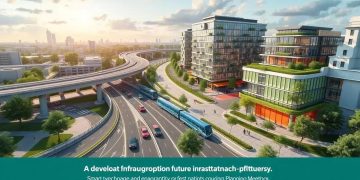
Smart Cities US: 4 Technologies Revolutionizing Urban Living by 2030
Smart Cities US: 4 Technologies Revolutionizing Urban Living by 2030
The concept of smart cities US is rapidly evolving from a futuristic dream into a tangible reality. As we approach 2030, American urban centers are increasingly embracing innovative technologies to address pressing challenges such as traffic congestion, energy consumption, public safety, and environmental sustainability. This transformation is not just about integrating gadgets; it’s about fundamentally rethinking how cities function, interact with their inhabitants, and enhance the overall quality of life. The drive towards smarter urban environments is fueled by a confluence of technological advancements, policy initiatives, and a growing understanding of the benefits that a data-driven, interconnected city can offer.
The United States, with its diverse urban landscape ranging from sprawling metropolises to burgeoning tech hubs, is at the forefront of this global movement. Cities like New York, Los Angeles, Chicago, Austin, and Boston are investing heavily in infrastructure upgrades and digital solutions, setting precedents for what a modern, efficient, and resilient city can be. This article delves into the four pivotal technologies that are shaping the future of smart cities US by 2030: Artificial Intelligence (AI), the Internet of Things (IoT), 5G Connectivity, and Sustainable Energy Solutions. We’ll explore practical applications, recent updates, and the profound impact these innovations are having on urban living.
1. Artificial Intelligence (AI): The Brain of Smart Cities
Artificial Intelligence is arguably the most transformative technology underpinning the development of smart cities US. AI’s ability to process vast amounts of data, identify patterns, make predictions, and automate complex tasks is revolutionizing every facet of urban management. From optimizing traffic flow to enhancing public safety and improving resource allocation, AI acts as the central nervous system, making cities more responsive and efficient.
Practical Applications of AI in US Smart Cities:
- Smart Traffic Management: AI algorithms analyze real-time traffic data from sensors, cameras, and GPS devices to dynamically adjust traffic signals, reroute vehicles, and predict congestion. Cities like Pittsburgh have implemented AI-powered traffic systems that have reduced travel times by 25% and idling time by 40%. This not only saves commuters time but also significantly reduces carbon emissions.
- Predictive Policing and Public Safety: AI models analyze historical crime data, social media trends, and environmental factors to predict potential crime hotspots, allowing law enforcement to deploy resources more effectively. While raising privacy concerns, this technology is being explored in various forms to enhance response times and deter criminal activity.
- Waste Management Optimization: AI-driven sensors in waste bins can detect fill levels, optimizing collection routes and schedules. This reduces fuel consumption, operational costs, and environmental impact. Philadelphia, for instance, is exploring smart waste solutions to improve efficiency.
- Resource Management: AI helps cities monitor and manage water, electricity, and gas consumption more efficiently. By analyzing usage patterns, AI can identify leaks, predict demand, and suggest conservation strategies, leading to significant savings and reduced waste.
- Urban Planning and Development: AI tools assist urban planners in simulating the impact of new developments, infrastructure projects, and policy changes. This allows for data-driven decisions that lead to more sustainable and livable urban environments.
Recent Updates and Innovations:
The integration of AI in smart cities US is becoming more sophisticated. Recent advancements include AI-powered chatbots for citizen services, offering instant information and support, and machine learning models that optimize public transport routes based on real-time demand. Furthermore, AI is being used in climate resilience efforts, predicting extreme weather events and helping cities prepare and respond more effectively. The National Institute of Standards and Technology (NIST) is actively developing frameworks and standards to ensure responsible and ethical AI deployment in urban contexts.
2. The Internet of Things (IoT): The Sensory Network
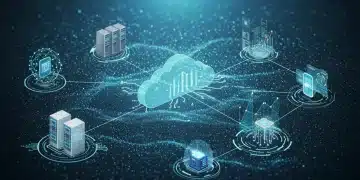
If AI is the brain, then the Internet of Things (IoT) is the sensory network of smart cities US. IoT refers to the vast network of interconnected physical devices embedded with sensors, software, and other technologies that collect and exchange data over the internet. In an urban context, this means millions of sensors deployed across infrastructure, vehicles, and public spaces, providing a continuous stream of real-time data that AI can then process and act upon.
Practical Applications of IoT in US Smart Cities:
- Environmental Monitoring: IoT sensors measure air quality, noise levels, and water purity, providing critical data for public health and environmental protection. This allows cities to identify pollution sources, issue warnings, and implement targeted interventions. Los Angeles and Denver are examples of cities utilizing extensive sensor networks for environmental insights.
- Smart Lighting: IoT-enabled streetlights can adjust their brightness based on ambient light and pedestrian/vehicular traffic, saving energy and improving safety. These lights can also serve as platforms for other sensors, expanding the city’s data collection capabilities. Kansas City, Missouri, has a notable smart streetlight deployment.
- Intelligent Parking Systems: Sensors in parking spaces detect occupancy, guiding drivers to available spots via mobile apps or digital signs. This reduces congestion, fuel consumption, and driver frustration. Cities like San Francisco have piloted such systems.
- Infrastructure Monitoring: IoT sensors embedded in bridges, roads, and buildings can detect structural stress, vibrations, and material degradation, enabling proactive maintenance and preventing costly failures. This is crucial for aging infrastructure in many US cities.
- Waste Management: As mentioned with AI, IoT sensors in waste bins communicate fill levels, optimizing collection routes and schedules. This system significantly reduces operational costs and environmental impact.
Recent Updates and Innovations:
The proliferation of smaller, more affordable, and energy-efficient IoT sensors is accelerating their deployment across smart cities US. Recent innovations include wearable IoT devices for public safety personnel, smart benches with charging stations and Wi-Fi, and sophisticated asset tracking for city utilities. The challenge lies in managing the immense volume of data generated and ensuring robust cybersecurity measures to protect this interconnected infrastructure. The development of open data platforms is also crucial, allowing developers and citizens to access and utilize urban data for new applications and services.
3. 5G Connectivity: The Backbone of Real-Time Cities
The advent of 5G cellular technology is a game-changer for smart cities US, providing the high-speed, low-latency, and massive connectivity required for truly intelligent urban environments. Without a robust and pervasive communication network, the vast amounts of data generated by IoT sensors and processed by AI algorithms would be bottlenecked, limiting the real-time capabilities of smart city applications.
Practical Applications of 5G in US Smart Cities:
- Enhanced Public Safety: 5G enables real-time video surveillance with AI analytics, rapid communication for emergency services, and drone deployment for disaster response, all with minimal delay. This significantly improves situational awareness and response times during critical incidents.
- Autonomous Vehicles and Smart Transportation: 5G is crucial for vehicle-to-everything (V2X) communication, allowing autonomous vehicles to communicate with each other, traffic infrastructure, and pedestrians in real-time. This is essential for the safe and efficient operation of self-driving cars, smart public transit, and drone delivery services. Several US cities are testing autonomous vehicle fleets, relying on 5G for connectivity.
- Immersive Urban Experiences: High-bandwidth 5G enables augmented reality (AR) and virtual reality (VR) applications for tourism, education, and entertainment, creating more engaging and interactive urban experiences for residents and visitors. Imagine AR overlays providing historical context as you walk through a city park.
- Remote Healthcare and Telemedicine: 5G facilitates remote patient monitoring, high-definition telemedicine consultations, and even remote-controlled robotic surgeries, improving healthcare access and outcomes, especially in underserved urban areas.
- Massive IoT Deployments: 5G’s capacity to connect millions of devices per square kilometer allows for unprecedented scalability of IoT networks, supporting everything from smart utility meters to environmental sensors across an entire city.
Recent Updates and Innovations:
Major US carriers are rapidly expanding their 5G networks, with widespread coverage now available in most major cities. The focus is shifting towards millimeter-wave 5G, which offers even higher speeds and lower latency for dense urban areas, though deployment challenges remain. Edge computing, often paired with 5G, is also gaining traction. This involves processing data closer to its source, reducing latency even further and enhancing the responsiveness of critical smart city applications. Initiatives like the Smart City Challenge by the Department of Transportation have spurred cities to integrate 5G into their urban innovation plans.
4. Sustainable Energy Solutions: Powering the Green City
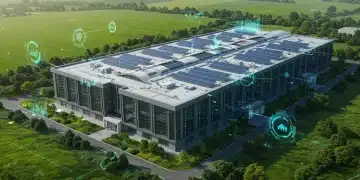
A truly smart city isn’t just technologically advanced; it’s also environmentally responsible. Sustainable energy solutions are fundamental to building resilient, livable, and future-proof smart cities US. This involves transitioning away from fossil fuels towards renewable sources, implementing energy-efficient practices, and creating intelligent energy grids that can manage demand and supply dynamically.
Practical Applications of Sustainable Energy in US Smart Cities:
- Renewable Energy Integration: Cities are investing in large-scale solar farms, wind power projects, and geothermal energy to power municipal operations and supply electricity to residents. Many cities are setting ambitious goals for 100% renewable energy by certain dates. For example, Burlington, Vermont, already runs on 100% renewable energy.
- Smart Grids: These advanced electricity networks use digital technology to monitor, control, and manage energy delivery from all generation sources to meet the varying electricity demands of end-users. Smart grids can integrate renewable energy sources more effectively, detect outages, and allow for dynamic pricing to encourage off-peak usage.
- Energy-Efficient Buildings: Smart city initiatives promote green building standards, retrofitting existing structures with energy-efficient windows, insulation, and HVAC systems. IoT sensors and AI can optimize building energy consumption based on occupancy, weather, and time of day.
- Electric Vehicle (EV) Infrastructure: Expanding public charging stations, integrating EV charging into smart grid management, and promoting electric public transit are key components. Cities are also exploring vehicle-to-grid (V2G) technology, allowing EVs to feed power back into the grid during peak demand.
- District Energy Systems: These systems centrally produce heating and/or cooling for multiple buildings, often using renewable energy sources or combined heat and power (CHP) plants, leading to greater efficiency than individual building systems.
Recent Updates and Innovations:
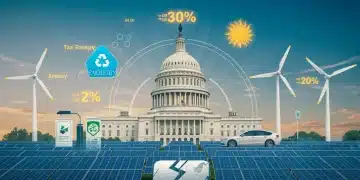
The push for sustainable energy in smart cities US is accelerating. Battery storage technology is becoming more affordable and efficient, allowing cities to store excess renewable energy for later use, enhancing grid stability. Microgrids, which can operate independently from the main grid, are being developed to increase resilience during power outages, particularly in critical facilities. Furthermore, advancements in building materials, such as solar windows and kinetic pavements, are opening new avenues for urban energy generation. Federal and state incentives are also playing a significant role in driving these sustainable transitions.
Challenges and Considerations for Smart Cities US
While the promise of smart cities US is immense, their development is not without challenges. Several critical factors must be carefully considered to ensure equitable, secure, and effective urban transformation:
- Data Privacy and Security: The collection and analysis of vast amounts of citizen data raise significant privacy concerns. Robust cybersecurity measures are essential to protect against breaches and ensure public trust. Cities must implement clear data governance policies and anonymization techniques.
- Digital Divide and Equity: Smart city technologies must be accessible to all residents, regardless of socioeconomic status. Bridging the digital divide and ensuring equitable access to services and benefits is crucial to prevent exacerbating existing inequalities.
- Funding and Investment: Developing and maintaining smart city infrastructure requires substantial investment. Cities often rely on public-private partnerships, federal grants, and innovative financing models to fund these projects.
- Interoperability and Standardization: Different smart city solutions often come from various vendors, leading to compatibility issues. Establishing open standards and promoting interoperability are vital for creating a cohesive and scalable urban ecosystem.
- Public Engagement and Acceptance: For smart city initiatives to succeed, citizens must understand and embrace them. Transparent communication, public participation in planning, and demonstrating tangible benefits are key to gaining community support.
- Regulatory Frameworks: Existing regulations may not be adequate for rapidly evolving technologies like autonomous vehicles or AI-powered surveillance. Cities need agile regulatory frameworks that can adapt to new innovations while protecting public interests.
Addressing these challenges requires a multi-faceted approach involving collaboration between city governments, technology providers, academic institutions, and most importantly, the citizens themselves. The goal is not just to build technologically advanced cities, but to build human-centric cities that leverage technology to create better lives for everyone.
The Future Outlook for Smart Cities US by 2030
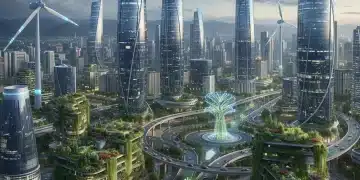
By 2030, smart cities US will be characterized by an unprecedented level of interconnectedness and intelligence. We can anticipate even more sophisticated AI models capable of predictive analytics across multiple urban domains, leading to truly adaptive infrastructure. The pervasive deployment of 5G will unlock new possibilities for real-time services and hyper-personalized urban experiences. IoT devices will become even more ubiquitous, seamlessly integrated into the urban fabric, providing a granular understanding of city dynamics.
Furthermore, the emphasis on sustainability will intensify. Cities will not only integrate more renewable energy but also become net-positive energy producers through innovative urban farming, waste-to-energy solutions, and advanced energy storage. The concept of a ‘circular city,’ where resources are reused and recycled to minimize waste, will gain significant traction, driven by smart technologies that track and manage material flows.
The role of citizens will also evolve. With greater access to data and interactive platforms, residents will become more active participants in urban governance and planning, contributing to the co-creation of their cities. Digital twins – virtual replicas of physical cities – will become powerful tools for urban planners to simulate changes and test solutions before implementation, reducing risks and optimizing outcomes.
However, the journey towards fully realized smart cities US is continuous. It requires ongoing investment, research, and a commitment to ethical considerations. The balance between technological advancement, human well-being, and environmental stewardship will remain paramount. The cities that successfully navigate this complex landscape will emerge as global leaders in urban innovation, setting new standards for livability, efficiency, and sustainability.
Conclusion: A Smarter, More Sustainable Urban Future
The transformation of urban centers into smart cities US by 2030 is an ambitious yet achievable goal. The synergy of Artificial Intelligence, the Internet of Things, 5G Connectivity, and Sustainable Energy Solutions is creating a powerful framework for addressing the complex challenges of modern urban living. These technologies are not merely tools; they are catalysts for a fundamental shift in how we conceive, build, and experience our cities.
From optimized traffic flows and enhanced public safety to cleaner air and resilient energy systems, the practical solutions offered by smart city technologies are already making a tangible difference. As American cities continue to innovate and integrate these advancements, they are paving the way for a future where urban environments are not only more efficient and sustainable but also more equitable, inclusive, and responsive to the needs of their inhabitants. The journey ahead will require continued collaboration, thoughtful planning, and a steadfast commitment to leveraging technology for the betterment of all urban dwellers, ensuring that the smart cities US of tomorrow are truly designed for a better quality of life.