Augmented Reality in Retail: A 2026 Forecast for US Consumer Engagement
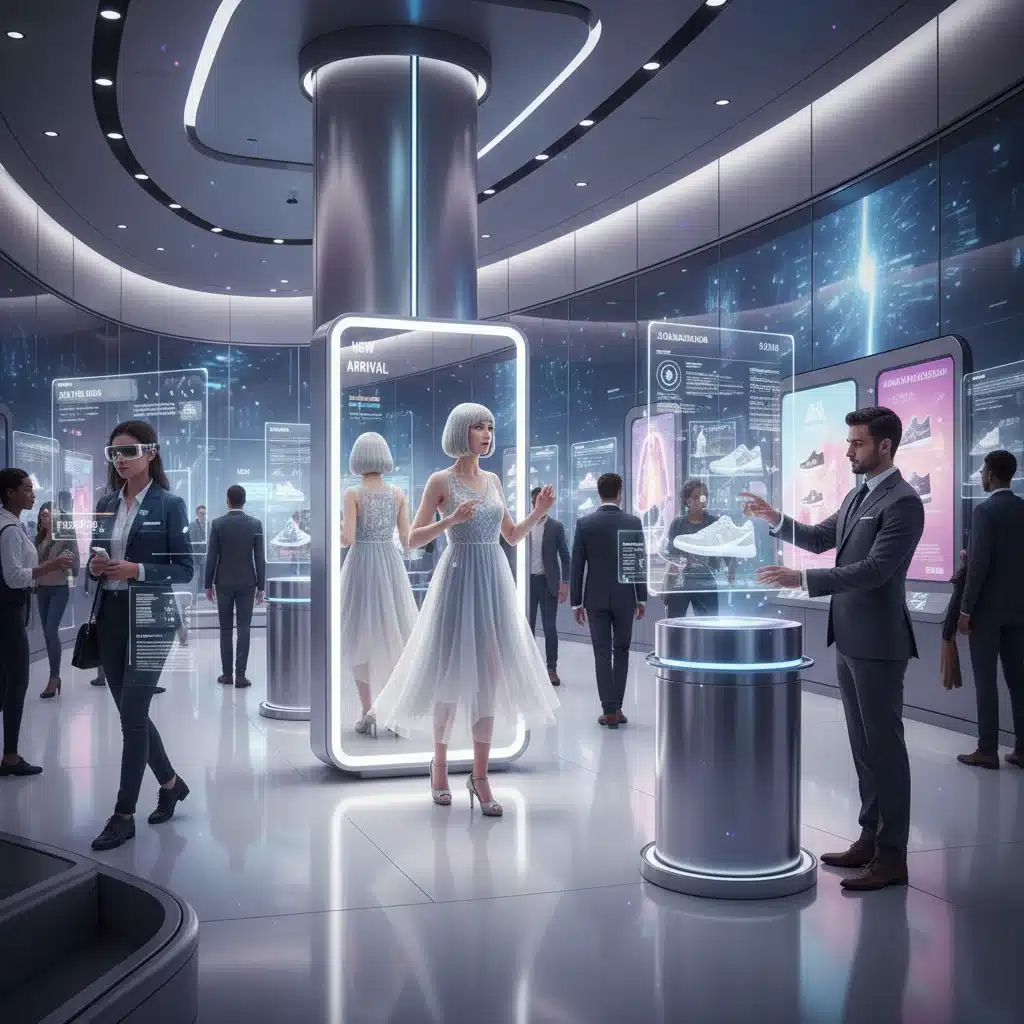
The retail landscape is in a perpetual state of flux, constantly reshaped by technological advancements and evolving consumer expectations. Among the myriad innovations vying for market dominance, Augmented Reality (AR) stands out as a transformative force, poised to redefine how consumers interact with brands and products. As we cast our gaze towards 2026, the integration of AR into the US retail sector is not merely an aspiration but a rapidly accelerating reality, promising a future where the lines between the physical and digital shopping experiences blur into an immersive, personalized, and highly engaging journey. This comprehensive exploration delves into the forecasted impact of AR on US consumer engagement in retail by 2026, analyzing its current trajectory, predicting future applications, and identifying the challenges and opportunities that lie ahead for businesses.
Augmented Reality, at its core, overlays digital information onto the real world, enhancing our perception and interaction with our surroundings. Unlike Virtual Reality (VR), which creates entirely simulated environments, AR enriches the existing one, making it an incredibly potent tool for retail where physical products and spaces remain central. From virtual try-ons to interactive product demonstrations and navigation, AR offers a spectrum of possibilities that can elevate the shopping experience from mundane to magical. By 2026, we anticipate AR to be an indispensable component of the retail strategy for forward-thinking businesses, driving significant shifts in consumer behavior and competitive dynamics.
The Current State of Augmented Reality in US Retail
While 2026 might seem a few years away, AR is far from a nascent technology in US retail. Several pioneering brands have already begun to experiment with and implement AR solutions, offering a glimpse into its potential. Companies in sectors like furniture, beauty, fashion, and home improvement have been at the forefront, demonstrating the practical utility and consumer appeal of AR experiences. For instance, furniture retailers have successfully deployed AR apps that allow customers to virtually place 3D models of furniture in their homes, accurately visualizing how items would look and fit before making a purchase. This ‘try before you buy’ functionality addresses a significant pain point for consumers – uncertainty about how a product will appear in their own space – thereby reducing returns and increasing purchase confidence.
Similarly, the beauty industry has embraced AR for virtual makeovers, enabling customers to experiment with different cosmetics, shades, and styles without physically applying products. This not only enhances the shopping experience but also promotes product discovery and personalization. Fashion brands are also using AR for virtual try-ons, allowing shoppers to see how clothes fit and look on their digital avatars or even on themselves through smart mirrors or smartphone cameras. These early adoptions, while often limited in scope, have laid the groundwork for broader integration and refinement of AR technologies.
The proliferation of powerful smartphones equipped with AR capabilities (like Apple’s ARKit and Google’s ARCore) has democratized access to AR experiences, making them available to a vast consumer base without the need for specialized hardware. This accessibility is a crucial factor driving the anticipated growth of AR in retail. Furthermore, the COVID-19 pandemic inadvertently accelerated digital transformation across all sectors, including retail, pushing businesses and consumers alike towards more remote and digitally enhanced interactions. AR, with its ability to bridge the gap between digital convenience and physical interaction, emerged as a valuable tool during this period, further solidifying its relevance.
Forecasting AR’s Impact on Consumer Engagement by 2026
By 2026, AR’s influence on US consumer engagement in retail will be multifaceted and pervasive. We can categorize its impact into several key areas:
1. Enhanced Personalization and Product Discovery
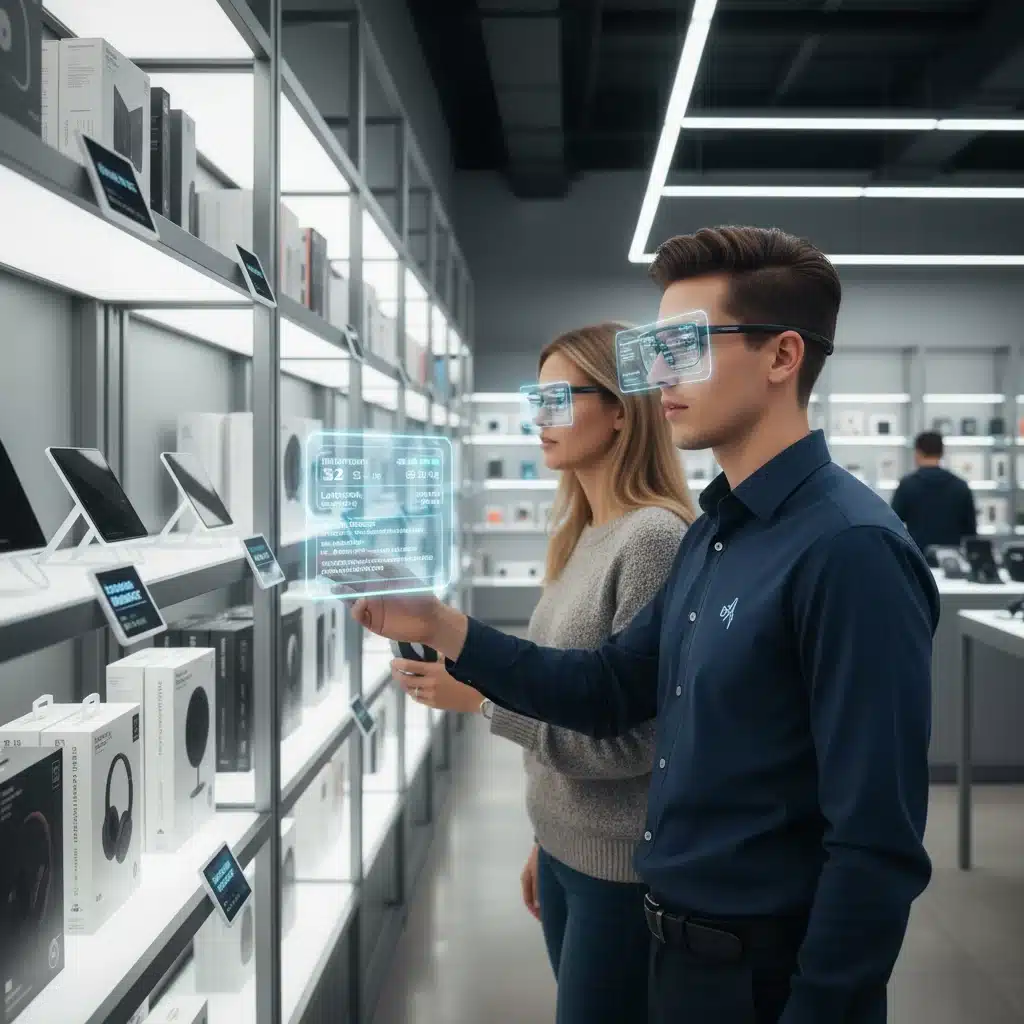
One of the most significant contributions of AR will be in delivering hyper-personalized shopping experiences. Imagine walking into a store, and your smart glasses (or even your phone) immediately highlight products tailored to your preferences, past purchases, and even real-time mood analysis. AR can overlay dynamic information onto products, such as customer reviews, sustainability ratings, alternative options, or even a product’s journey from manufacturing to shelf. This level of personalized discovery moves beyond static recommendations, offering an interactive and contextually rich exploration.
For fashion, AR will evolve beyond simple try-ons. Consumers will be able to create highly accurate digital avatars that can virtually try on entire outfits, experiment with different fabrics, and even simulate how clothes would move. This reduces the need for physical changing rooms and significantly enhances the confidence in online purchases. In home goods, AR will allow for not just placement, but also customization of products in real-time, changing colors, materials, and configurations to perfectly match a consumer’s existing decor.
2. Immersive and Interactive Shopping Journeys
The traditional distinction between online and offline shopping will become increasingly blurred. AR will facilitate seamless transitions between digital browsing and physical interaction. For instance, a consumer might browse products on an e-commerce site, use AR to visualize them at home, and then visit a physical store to experience the textures and quality firsthand, with AR guiding them directly to the exact product location and providing additional digital details. This omnichannel integration will be crucial for retaining customer interest and providing a cohesive brand experience.
In-store AR experiences will become more sophisticated. Interactive displays will not just show product videos but will allow customers to ‘unpack’ a product virtually, see its internal components, or understand its assembly process in 3D. Gamified AR experiences could transform mundane tasks like grocery shopping into engaging adventures, guiding shoppers to items with digital trails or offering virtual rewards for completing specific tasks. This gamification element can significantly boost engagement, especially among younger demographics.

3. Enhanced Product Information and Transparency
Consumers are increasingly demanding more information about the products they purchase, from ethical sourcing to nutritional facts and environmental impact. AR can be a powerful tool for providing this transparency. By simply pointing their smartphone or AR glasses at a product, shoppers can instantly access a wealth of digital information, including detailed ingredient lists, allergen warnings, supply chain data, customer reviews, and even augmented animations demonstrating how a product works or what its benefits are. This instant access to comprehensive, verifiable information builds trust and empowers consumers to make more informed decisions.
For complex products like electronics or appliances, AR can offer interactive manuals and troubleshooting guides. Imagine unboxing a new gadget and using AR to see animated instructions overlaid directly onto the device, guiding you through setup or repair processes. This reduces frustration and enhances the post-purchase experience, reinforcing brand loyalty.
4. Redefining Customer Service and Support
By 2026, AR will also revolutionize customer service. In-store associates equipped with AR glasses could have immediate access to customer profiles, purchase history, and real-time inventory levels, allowing them to provide highly personalized and efficient assistance. They could also use AR to demonstrate product features or guide customers through complex processes visually.
Remote customer support will also benefit immensely. Instead of trying to describe a problem over the phone, a customer could use their smartphone or AR headset to share their live view with a support agent. The agent could then overlay digital annotations, arrows, or instructions onto the customer’s view, guiding them step-by-step through a solution. This reduces resolution times and improves customer satisfaction dramatically.
5. Innovative Marketing and Advertising
AR offers new frontiers for marketing and advertising beyond traditional static or video ads. Interactive AR campaigns can allow consumers to engage with products in novel ways, such as bringing brand mascots to life in their living rooms, participating in virtual scavenger hunts, or unlocking exclusive content through AR markers. These immersive and playful experiences create memorable brand interactions and foster deeper emotional connections.
AR-powered advertising could also be contextually aware, delivering relevant promotions or product information based on a consumer’s location or visual scan of their surroundings. Imagine pointing your phone at a restaurant and seeing its menu, daily specials, and customer reviews pop up in AR, or scanning a billboard to unlock an interactive brand experience.
Challenges and Considerations for AR Adoption
While the potential of AR in retail is immense, its widespread adoption by 2026 will not be without challenges. Businesses must strategically address several key areas:
1. Technological Infrastructure and Cost
Developing and deploying robust AR solutions requires significant investment in technology, talent, and infrastructure. Creating high-quality 3D models of products, developing stable and intuitive AR applications, and ensuring seamless integration with existing retail systems can be costly and complex. Smaller businesses might struggle to compete with larger enterprises that have greater resources.
2. User Experience and Accessibility
The success of AR hinges on providing a smooth, intuitive, and enjoyable user experience. Clunky interfaces, slow loading times, or inaccurate AR overlays will quickly deter users. Ensuring accessibility for diverse user groups, including those with varying technical proficiencies or disabilities, is also crucial. The hardware for AR (smartphones, smart glasses) must also become more ubiquitous and user-friendly.
3. Data Privacy and Security
AR applications often collect significant amounts of data about user behavior, preferences, and even their physical environments. Ensuring the privacy and security of this data will be paramount. Consumers are increasingly wary of how their information is used, and retailers must implement transparent data policies and robust security measures to build and maintain trust.
4. Content Creation and Management
The demand for high-quality 3D content will explode with the rise of AR. Retailers will need efficient processes for creating, managing, and updating vast libraries of 3D product models. This requires specialized skills and tools, and the industry will likely see the emergence of dedicated AR content creation agencies.
5. Integration with Existing Systems
For AR to be truly transformative, it must integrate seamlessly with existing e-commerce platforms, inventory management systems, CRM tools, and point-of-sale systems. This interoperability is essential for creating a unified and efficient retail ecosystem.
The Competitive Landscape: Who Will Win in the AR Retail Race?
By 2026, the competitive advantage will undoubtedly shift towards retailers who effectively leverage AR to differentiate their offerings and deepen customer relationships. Early adopters who invest in developing compelling AR experiences will capture market share and foster strong brand loyalty. However, it’s not just about adopting AR; it’s about strategic implementation. Retailers who understand their target audience, identify specific pain points AR can solve, and integrate AR holistically into their customer journey will be the true winners.
Larger retailers with significant R&D budgets and established tech partnerships will likely lead the charge, but agile startups and innovative smaller businesses could also carve out niches by focusing on specific AR applications or highly personalized experiences. The key will be to move beyond novelty and demonstrate tangible value to the consumer.
Key Success Factors:
- Customer-Centric Design: AR solutions must be designed with the end-user in mind, solving real problems and enhancing convenience or enjoyment.
- Seamless Integration: AR experiences should feel like a natural extension of the brand, not a separate, disjointed technology.
- High-Quality Content: Realistic and accurate 3D models are crucial for believable AR experiences.
- Data-Driven Personalization: Utilizing data to tailor AR content and recommendations will maximize engagement.
- Iterative Development: The AR landscape is evolving rapidly; retailers must be prepared to continuously test, learn, and refine their AR offerings.
The Future Beyond 2026: The Metaverse and Spatial Computing
While our primary focus is on 2026, it’s important to acknowledge that AR is a stepping stone to even more immersive futures. Beyond this forecast, the concepts of the Metaverse and spatial computing will become increasingly relevant. By 2026, we will likely see the foundational elements of these future realities being built upon AR technologies. Consumers might interact with digital twins of physical stores in a persistent metaverse, or engage with brands in shared AR spaces where they can socialize and shop simultaneously. The evolution of AR from smartphone-based applications to lightweight, sophisticated smart glasses will further accelerate this transition, making AR an ambient and ubiquitous part of everyday life.
The ability to create persistent digital layers over the real world, allowing for collaborative shopping, virtual product trials with friends, and even digital ownership of goods that exist across physical and virtual realms, represents the next wave of retail innovation. Retailers who master AR by 2026 will be well-positioned to navigate and thrive in these emergent digital ecosystems.
Conclusion: Augmented Reality as the New Retail Imperative
By 2026, Augmented Reality will no longer be a niche technology but a fundamental component of the US retail experience. Its capacity to enhance personalization, create immersive shopping journeys, provide transparent product information, revolutionize customer service, and innovate marketing strategies makes it an indispensable tool for businesses aiming to stay competitive and relevant. While challenges related to cost, infrastructure, user experience, and data privacy remain, the undeniable benefits of AR in driving consumer engagement and increasing sales will compel retailers to invest heavily in its adoption.
The future of retail is interactive, personalized, and seamlessly integrated between the physical and digital worlds. Augmented Reality is the key technology enabling this transformation, promising a richer, more engaging, and ultimately more satisfying shopping experience for US consumers. Retailers who embrace this paradigm shift and strategically integrate AR into their operations will not only survive but thrive in the dynamic market of 2026 and beyond, forging stronger connections with their customers and redefining the very essence of commerce.