Bio-Integrated AI: US Research & Development Outlook (Next 3 Months)
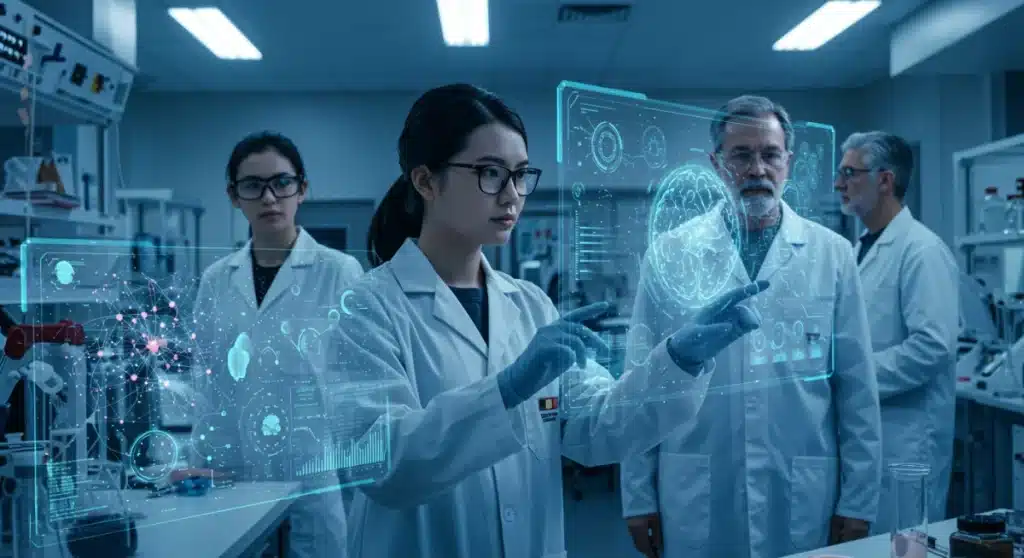
The convergence of artificial intelligence and biological systems, often referred to as Bio-Integrated AI, stands as one of the most exciting and rapidly evolving fields in modern science and technology. This revolutionary domain promises to redefine our understanding of intelligence, enhance human capabilities, and solve some of the world’s most intractable problems, from disease treatment to environmental sustainability. The United States, with its robust ecosystem of academic institutions, private enterprises, and government funding, is at the forefront of this groundbreaking research. Understanding the trajectory of Bio-Integrated AI US research and development (R&D) over the next three months offers a crucial glimpse into the future of this transformative technology.
This article delves deep into the current landscape and upcoming trends in Bio-Integrated AI US R&D. We will explore the key areas of focus, the major players driving innovation, and the anticipated breakthroughs that are expected to emerge in the immediate future. From neuroprosthetics and brain-computer interfaces to synthetic biology and AI-driven drug discovery, the scope of Bio-Integrated AI is vast and its potential impact profound. Our aim is to provide an insider’s perspective, equipping you with valuable insights into where this critical technology is headed.
Understanding Bio-Integrated AI: A Primer
Before we dive into the specifics of upcoming developments, it’s essential to define what Bio-Integrated AI entails. At its core, Bio-Integrated AI refers to systems where artificial intelligence is directly integrated with biological components, or where AI is used to profoundly understand, manipulate, and mimic biological processes. This integration can take many forms:
- Neuroprosthetics and Brain-Computer Interfaces (BCIs): Devices that connect the human brain or nervous system directly to external computers or robotic limbs, allowing for thought-controlled actions or sensory feedback.
- AI for Drug Discovery and Development: Utilizing AI algorithms to analyze vast biological datasets, predict molecular interactions, and accelerate the identification of new therapeutic compounds.
- Synthetic Biology and AI: Designing and engineering new biological systems or organisms with novel functions, often guided and optimized by AI.
- Bio-inspired AI: Developing AI architectures and algorithms that draw inspiration from biological intelligence, such as neural networks mimicking the human brain.
- Wearable Biosensors and AI: Integrating AI with advanced sensors to monitor physiological data in real-time, providing personalized health insights and early disease detection.
The ultimate goal of Bio-Integrated AI US research is to create intelligent systems that are not just complementary to biology, but inherently intertwined with it, leading to unprecedented levels of functionality and adaptability. This interdisciplinary field requires expertise in computer science, neuroscience, biology, engineering, and ethics, fostering a collaborative environment that is ripe for innovation.
Key Drivers of Bio-Integrated AI US R&D
Several factors contribute to the rapid acceleration of Bio-Integrated AI US R&D. Understanding these drivers helps contextualize the forthcoming developments:
Government Funding and Initiatives
The US government, through agencies like the National Institutes of Health (NIH), the Defense Advanced Research Projects Agency (DARPA), and the National Science Foundation (NSF), has significantly invested in Bio-Integrated AI. These investments often target ambitious, long-term goals such as restoring lost human functions, developing personalized medicine, and enhancing national security capabilities. In the next three months, we anticipate continued emphasis on programs that bridge the gap between fundamental biological research and practical AI applications, particularly in areas like neuroscience and genomics.
Private Sector Investment and Innovation Hubs
Tech giants and innovative startups are pouring substantial resources into Bio-Integrated AI. Companies like Neuralink, Google’s DeepMind, and various biotech firms are leading the charge. Silicon Valley, Boston, and other major tech hubs are epicenters for this activity, fostering a competitive yet collaborative environment. Expect to see announcements regarding new venture capital funding rounds, strategic partnerships between AI and biotech companies, and the establishment of new R&D labs focused on Bio-Integrated AI US applications.
Academic Excellence and Interdisciplinary Collaboration
Leading US universities are critical to pushing the boundaries of Bio-Integrated AI. Institutions like MIT, Stanford, Harvard, UC Berkeley, and Johns Hopkins have established dedicated centers and programs that bring together experts from diverse fields. This interdisciplinary approach is vital for tackling the complex challenges inherent in integrating AI with biological systems. Over the next quarter, look for new research papers published in top-tier journals, academic conferences focusing on Bio-Integrated AI, and collaborative projects involving multiple universities and industry partners.
Advancements in Enabling Technologies
The progress in Bio-Integrated AI is inextricably linked to advancements in underlying technologies. These include:
- Neurotechnology: Miniaturized, high-resolution electrodes and brain-mapping techniques.
- Genomics and Proteomics: High-throughput sequencing, CRISPR gene editing, and advanced protein analysis.
- Microfluidics and Lab-on-a-chip: Platforms for automated biological experiments and data generation.
- Computational Power: The continuous increase in AI processing capabilities, including specialized AI chips and quantum computing research.
These enabling technologies are constantly evolving, creating new opportunities for deeper and more sophisticated Bio-Integrated AI solutions.
Anticipated Bio-Integrated AI US Developments (Next 3 Months)
Based on current trends, funding priorities, and technological readiness, here are some key areas where significant progress in Bio-Integrated AI US R&D is anticipated over the next three months:
1. Enhanced Brain-Computer Interface (BCI) Performance and Miniaturization
The field of BCIs is experiencing rapid advancements. In the coming quarter, expect to see further improvements in the accuracy, speed, and reliability of BCIs. Research will likely focus on:
- Increased Bandwidth: Developing interfaces that can transmit more neural data, leading to finer control of prosthetics or more nuanced communication.
- Non-invasive BCIs: While invasive BCIs offer higher resolution, there’s growing interest in improving non-invasive options (e.g., EEG-based systems) for broader accessibility and ease of use. Expect new algorithms to extract more meaningful signals from non-invasive methods.
- Miniaturization and Wireless Capabilities: Efforts to make BCI devices smaller, less conspicuous, and entirely wireless will continue, pushing them closer to practical, everyday applications. This includes advancements in flexible electronics and biocompatible materials.
- Sensory Feedback Integration: Beyond motor control, researchers are working on providing sensory feedback (e.g., touch, proprioception) through BCIs, creating a more natural and intuitive experience for users.
Companies like Neuralink and Synchron, along with university labs, will likely release updates on their human trials, potentially showcasing improved performance in areas such as typing speed for paralyzed individuals or control over robotic limbs. The ethical considerations surrounding BCI development will also continue to be a prominent discussion point.
2. AI-Accelerated Drug Discovery for Neurological Disorders
The pharmaceutical industry is increasingly leveraging AI to streamline the laborious and expensive process of drug discovery. Over the next three months, a significant focus will remain on neurological disorders, an area where traditional drug development has faced considerable challenges. Bio-Integrated AI US efforts will concentrate on:
- Target Identification: AI models analyzing vast genomic and proteomic datasets to identify novel drug targets implicated in diseases like Alzheimer’s, Parkinson’s, and ALS.
- Molecule Synthesis and Optimization: Generative AI models designing new drug candidates with desired properties and predicting their efficacy and toxicity before costly lab synthesis.
- Clinical Trial Optimization: AI assisting in patient selection for clinical trials, predicting drug responses, and analyzing trial data more efficiently.
- Personalized Medicine Approaches: AI tailoring drug treatments based on an individual’s genetic makeup and disease biomarkers, moving away from a one-size-fits-all approach.
Expect to see announcements from biotech startups and major pharmaceutical companies about AI-driven breakthroughs in preclinical phases, potentially leading to new drug candidates entering early-stage clinical trials. Academic collaborations with industry will be key in validating these AI predictions.
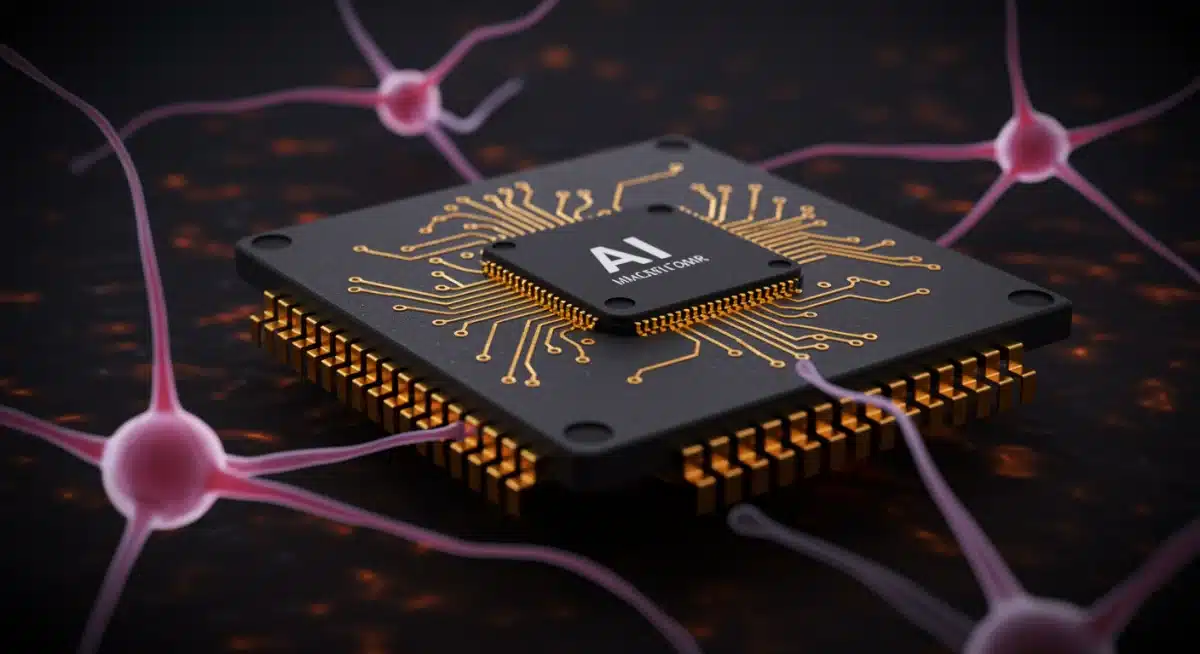
3. Advances in AI-Driven Synthetic Biology and Bio-Manufacturing
Synthetic biology, the design and construction of new biological parts, devices, and systems, is being revolutionized by AI. The next three months will likely see:
- Automated Biological Design: AI tools for designing complex genetic circuits, metabolic pathways, and even entire synthetic organisms with specific functions (e.g., producing biofuels, novel materials, or therapeutics).
- High-Throughput Experimentation and Data Generation: Robotics and AI integration in labs to accelerate the testing and validation of synthetic biological designs, generating massive datasets that further train AI models.
- Bio-Manufacturing Optimization: AI optimizing fermentation processes, cell culture conditions, and downstream processing for the efficient production of biologics, chemicals, and sustainable materials.
- CRISPR-AI Synergy: AI enhancing the precision and efficiency of CRISPR gene-editing technologies, predicting off-target effects, and designing optimal guide RNAs for therapeutic applications.
Research institutions and companies specializing in synthetic biology will likely unveil new platforms or methodologies that significantly reduce the design-build-test cycle, leading to faster development of engineered biological systems. The focus will be on scalable and sustainable bio-manufacturing.
4. Ethical AI and Biosecurity Frameworks
As Bio-Integrated AI advances, so too does the need for robust ethical guidelines and biosecurity protocols. The US government, academic institutions, and industry leaders are increasingly recognizing the importance of addressing these concerns proactively. In the coming quarter, anticipate:
- Policy Discussions and White Papers: Increased activity from government agencies and think tanks in developing policy recommendations for responsible Bio-Integrated AI development, particularly concerning data privacy, informed consent for BCI users, and the dual-use potential of synthetic biology.
- Ethical AI Frameworks: Development and refinement of ethical AI frameworks specifically tailored to biological integration, addressing issues like algorithmic bias in healthcare and the implications of enhancing human cognition.
- Biosecurity Measures: Enhanced focus on biosecurity measures to prevent the misuse of advanced synthetic biology tools and AI-driven pathogen discovery, with potential for new collaborative initiatives between defense and health agencies.
- Public Engagement: More public discourse and educational initiatives to inform the public about the benefits and risks of Bio-Integrated AI, fostering transparency and trust.
These discussions are crucial for ensuring that the development of Bio-Integrated AI US remains aligned with societal values and promotes the well-being of humanity.
Challenges and Opportunities Ahead
Despite the rapid progress, the Bio-Integrated AI US landscape faces significant challenges:
- Interdisciplinary Talent Gap: The need for individuals proficient in both AI and biological sciences remains high. Educational programs are adapting, but a substantial gap persists.
- Data Complexity and Volume: Biological data is inherently complex, noisy, and vast. Developing AI models that can effectively extract meaningful insights requires sophisticated algorithms and computational resources.
- Regulatory Hurdles: The novel nature of Bio-Integrated AI poses challenges for existing regulatory frameworks, particularly for medical devices and genetically engineered organisms.
- Ethical and Societal Implications: As mentioned, the ethical dimensions of altering human biology or creating new life forms require careful consideration and public consensus.
- Funding Sustainability: While current funding is strong, sustaining long-term, high-risk research requires consistent investment from both public and private sectors.
However, these challenges also present immense opportunities. Overcoming them will unlock even greater potential for Bio-Integrated AI. The next three months will likely see concerted efforts to address these bottlenecks, fostering an environment where innovation can truly flourish.
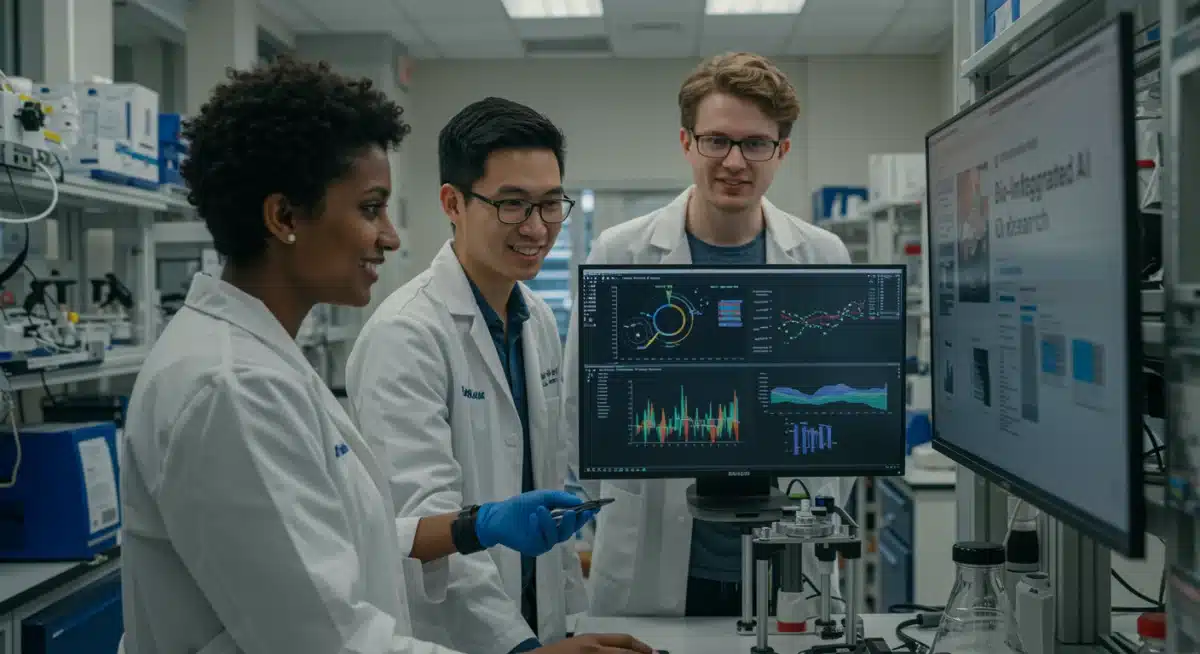
The Future Beyond the Next Three Months
While our focus is on the immediate future, it’s worth briefly considering the long-term implications of Bio-Integrated AI US R&D. The developments over the next three months are foundational steps towards a future where:
- Disease Eradication: AI-driven diagnostics and therapies lead to the effective prevention and treatment of currently incurable diseases.
- Enhanced Human Capabilities: BCIs and neuroprosthetics not only restore function but potentially augment human cognitive and physical abilities.
- Sustainable Living: Synthetic biology and AI create novel solutions for energy, food production, and environmental remediation.
- Deeper Understanding of Life: AI helps unravel the fundamental mysteries of biology, leading to a profound understanding of life itself.
The journey is complex, but the pace of innovation in Bio-Integrated AI US is undeniable. Each quarter brings us closer to a future that was once the realm of science fiction.
Conclusion
The next three months promise to be a dynamic period for Bio-Integrated AI US research and development. From significant strides in brain-computer interfaces to AI-accelerated drug discovery and the ethical frameworks guiding these innovations, the field is moving at an exhilarating pace. The collaborative efforts of government, industry, and academia, coupled with advancements in enabling technologies, are setting the stage for truly transformative breakthroughs. Keeping a close watch on these developments is not just for scientists and technologists; it’s for anyone interested in the future of human health, intelligence, and our relationship with technology. The integration of AI and biology is not merely an advancement; it is a paradigm shift that will reshape our world in profound and exciting ways.
Stay tuned for more updates as we continue to track the remarkable progress in Bio-Integrated AI across the United States and globally. The insights gained from the immediate future will undoubtedly inform the grand challenges and opportunities that lie further ahead, cementing the US’s position as a leader in this critical technological frontier.